Health
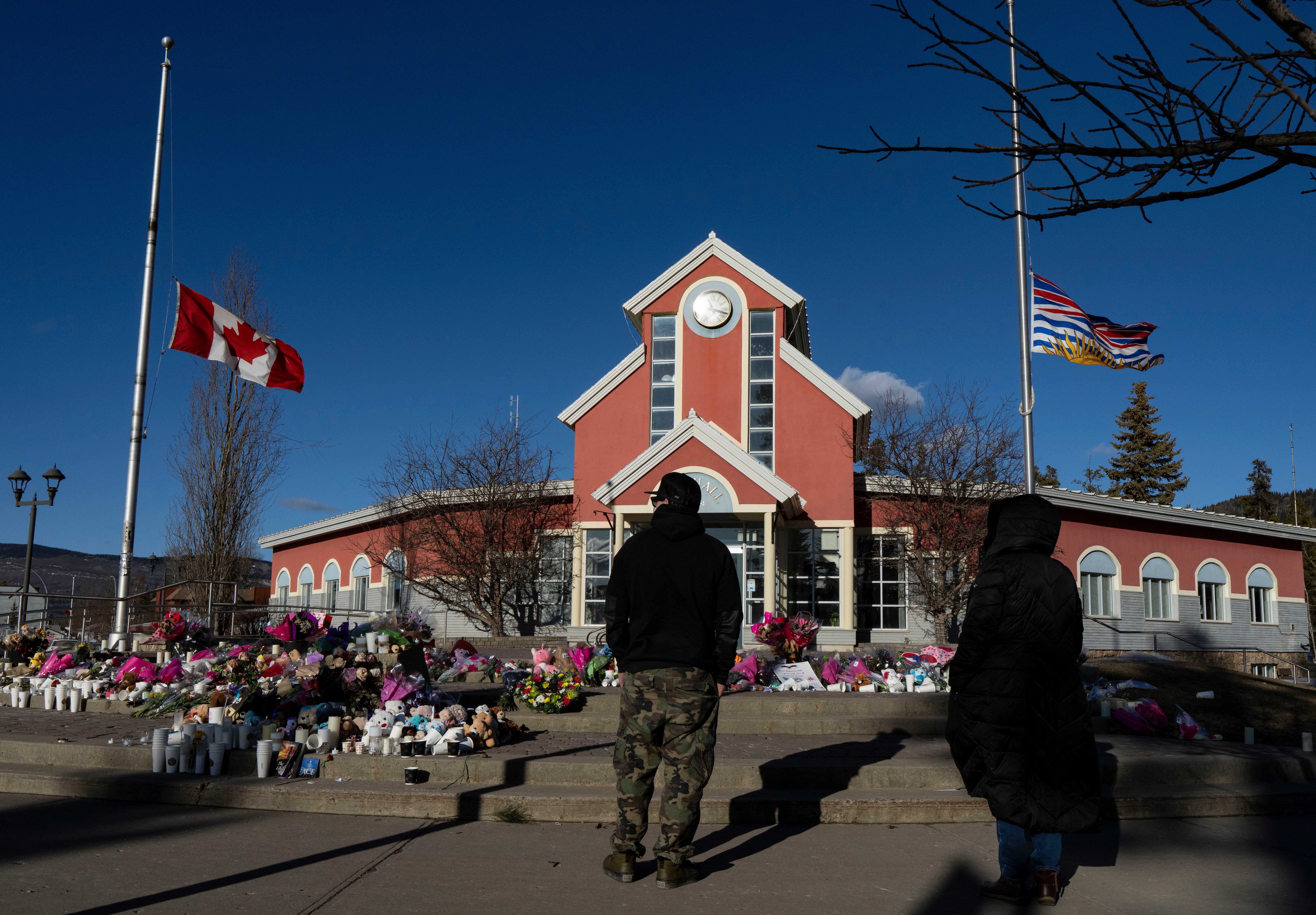
‘Bravest person I know’: School shooting victim leaves hospital after 262 days
By David Robinson
Advertisement · Why this ad?
Angela is a seasoned journalist with a degree in Political Science from Bryn Mawr College, bringing over 9 years of experience in reporting on local governance. Before joining Lancaster Current, she worked at WHYY, covering Philadelphia's local politics.
More from Angela →
As the sun dipped below the horizon, casting a warm glow over Lancaster, a diverse crowd gathered at the local community center, buzzing with anticipation. Residents from all walks of life, from young families to retirees, came together to hear from candidates vying for their votes in the upcoming Pennsylvania elections. The air was thick with the scent of fresh popcorn and the sound of children laughing, but the conversations were serious. With gas prices soaring and health care costs weighing heavily on household budgets, the stakes were high for this community.
On Tuesday evening, candidates participated in a pivotal debate hosted by WGAL, focusing on critical issues affecting Pennsylvania residents. The debate featured key figures from both major parties, including Democratic incumbent Governor Josh Shapiro and Republican challenger Doug Mastriano. Each candidate laid out their vision for the future, addressing concerns about gas prices, health care, and the economy.
Shapiro emphasized his administration's efforts to provide relief at the pump, pointing to his recent initiatives aimed at lowering gas taxes and increasing transparency in pricing. He argued that his policies have already begun to ease the financial burden on families. Meanwhile, Mastriano criticized the current administration's handling of gas prices, pledging to roll back regulations he claims have contributed to rising costs.
The debate also highlighted the candidates' contrasting approaches to health care. Shapiro touted his commitment to expanding access to affordable health care through initiatives aimed at reducing prescription drug prices and increasing funding for community health centers. Mastriano, on the other hand, focused on his plans to reform the health care system by promoting competition and reducing government involvement.
The atmosphere in the community center was electric, with attendees eagerly voicing their opinions. Local resident Maria Gonzalez, a mother of three, expressed her concerns about rising gas prices. "Every time I fill up my tank, I feel like I'm making a choice between gas and groceries. It's tough for families like mine," she said, echoing sentiments shared by many.
Others in the audience were equally passionate about health care. James Thompson, a retired teacher, voiced his frustration with the current system. "I just want to be able to afford my medications without breaking the bank. It's a basic need that shouldn't be a luxury," he remarked, highlighting the critical intersection of health care and financial stability.
The debate not only showcased the candidates' positions but also served as a platform for community members to engage with the issues that matter most to them. The dialogue fostered a sense of unity among residents, reminding them that their voices can influence the direction of local policies.
Gas prices and health care were not the only topics on the table during the debate. Education funding, job creation, and infrastructure improvements also emerged as significant areas of concern. Candidates were pressed on their plans to address these issues, with Shapiro advocating for increased investment in public education and Mastriano emphasizing the importance of vocational training.
Shapiro's proposals included a focus on early childhood education and increased funding for public schools, aiming to ensure that all children have access to quality education. In contrast, Mastriano highlighted his commitment to supporting technical schools and apprenticeship programs, arguing that this would better prepare students for the workforce.
Infrastructure was another hot-button issue, with both candidates acknowledging the need for improvements in roads and public transportation. Shapiro pointed to his administration's efforts to secure funding for infrastructure projects, while Mastriano called for a comprehensive plan to address the state's aging roads and bridges.
Throughout the debate, the candidates delivered passionate appeals to the audience. Shapiro stated, "We need to prioritize the needs of working families. My administration is committed to making Pennsylvania a place where everyone can thrive, not just survive." His words resonated with many in the crowd, who are looking for leadership that prioritizes their everyday struggles.
Mastriano countered with a bold promise: "If elected, I will fight to bring down gas prices and ensure that every Pennsylvanian has access to affordable health care. We cannot continue down the path of rising costs and stagnant wages." His assertive stance on these issues seemed to energize parts of the audience, particularly those frustrated with the status quo.
As the debate wrapped up, the candidates took questions from the audience, allowing for a more personal connection with voters. This interaction underscored the importance of community engagement in the political process and highlighted the candidates' willingness to listen to the concerns of their constituents.
The implications of this debate extend beyond political rhetoric; they speak to the heart of Lancaster's community values. With families striving to maintain their financial stability, the outcomes of these elections could significantly impact local households. The rising cost of living, compounded by fluctuating gas prices and health care expenses, has created a climate of uncertainty for many.
Residents like Gonzalez and Thompson represent a growing concern among Lancaster families, who are seeking solutions that prioritize their needs. The candidates' responses during the debate will likely influence voters' decisions as they head to the polls. The desire for strong leadership that reflects traditional family values and addresses economic challenges resonates deeply within this community.
Moreover, the debate served as a reminder of the power of civic engagement. As Lancaster residents articulate their concerns and engage with candidates, they are not only shaping their own futures but also contributing to a broader dialogue about the direction of Pennsylvania.
As the election approaches, Lancaster voters will have the opportunity to weigh the candidates' proposals against their lived experiences. The issues discussed during the debate—gas prices, health care, education, and infrastructure—will remain at the forefront of voters' minds as they consider which candidate will best serve their interests.
In the coming weeks, residents can expect to see more debates, town halls, and community forums where they can engage with candidates and express their priorities. This engagement is crucial, as it not only informs voters but also holds candidates accountable for their promises.
Ultimately, the future of Lancaster hinges on the decisions made at the ballot box. As families continue to navigate economic challenges, the hope is that elected officials will prioritize policies that strengthen families and foster a sense of community. With the election just around the corner, the stakes have never been higher for residents of Lancaster.
By David Robinson
By Sarah Patel

By Kyle Harris

By Angela Lopez